 Dave Lift
Dave Lift
Dave Lift
Many homeowners rely on lifts for convenience and accessibility. However, you might find yourself asking, "Why is my home lift making a loud noise?" This unexpected sound can be alarming. It often indicates that something may require urgent attention.
Loud noises from a lift can stem from various issues. The problem might be related to wear and tear or even a lack of proper maintenance. Understanding the source of the noise is crucial for safety. Regular inspections can help identify potential problems early.
Ignoring these sounds can lead to bigger issues down the line. Home lifts are complex machines that need care. So, taking the time to address these noises can save you from costly repairs. Listening closely to your lift's performance can be enlightening. It is an essential part of responsible homeownership.
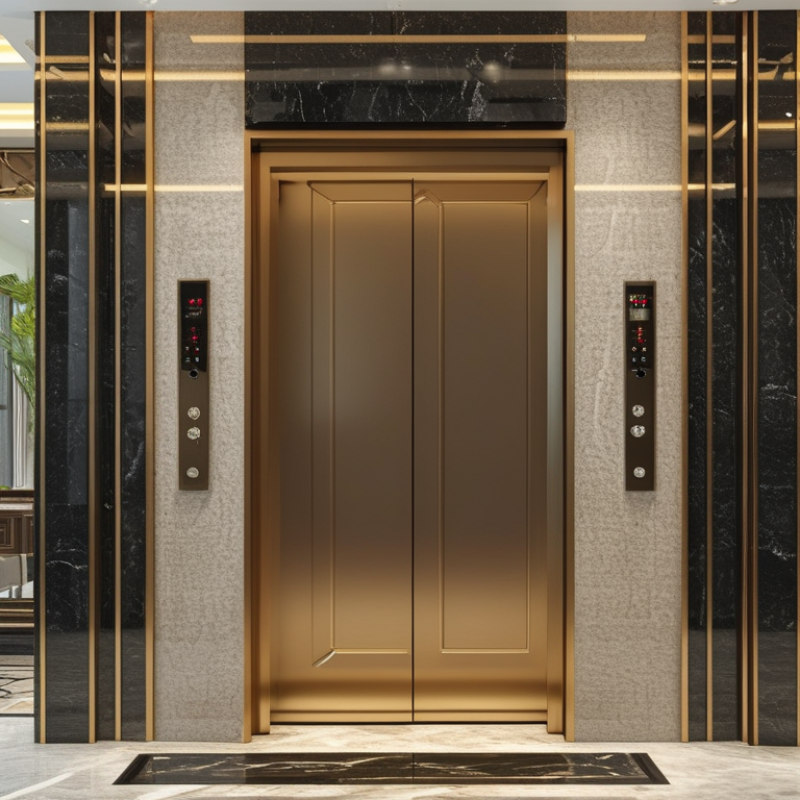
Home lifts are designed for convenience and safety. However, many homeowners encounter loud noises that can be alarming and disruptive. Understanding common causes can help address the issue effectively.
Mechanical components like motors or pulleys often generate noises when they wear down. A study by the American Society of Mechanical Engineers indicates that improper lubrication can lead to a 30% increase in mechanical noise. Concretely, vibrations from worn-out bearings contribute to rattling sounds. Additionally, loose bolts or misaligned mechanisms further amplify the problem.
Regular maintenance is crucial. Check all parts routinely to prevent excessive wear. Tightening loose bolts can significantly decrease noise. If you hear unusual sounds, it's wise to consult a professional technician. They can assess the situation and provide solutions.
Tips: Keep a maintenance log for your lift. Document any strange noises, so you clearly convey issues to a technician. Consider scheduling inspections every six months. This can save you from more serious repairs down the line. Being proactive is key for a quiet and efficient home lift.
| Common Cause | Description | Potential Solutions |
|---|---|---|
| Worn Out Bearings | Bearings in the lift mechanism may wear out over time, causing a grinding noise. | Inspect and replace worn bearings; ensure regular maintenance checks. |
| Loose Components | Loose bolts or screws can cause rattling noises during operation. | Tighten all loose screws and bolts; conduct regular inspections. |
| Misaligned Tracks | If the tracks are not properly aligned, it can cause grinding or scraping sounds. | Realign tracks as necessary; call a professional for alignment checks. |
| Electrical Issues | Problems with electrical components can lead to unusual sounds during operation. | Inspect electrical connections; consult a technician for repairs. |
| Door Mechanism Problems | Noises from the door opening or closing can indicate issues with the mechanism. | Lubricate door hinges; check for alignment and replace damaged parts. |
: Noises often come from worn-out motors, pulleys, or loose components. Improper lubrication can increase noise by 30%.
Regular maintenance is vital. Check and tighten loose bolts and lubricate moving parts to keep noise levels down.
Components wear down over time. Neglected lifts often experience accelerated wear and louder operational noises.
Document the sounds and consult a professional technician. Early action can prevent costly repairs later.
Inspect it every six months. Regular checks help catch problems before they escalate and ensure smoother operation.
Clicking, clunking, or grinding noises suggest issues. These should not be ignored as they may point to deeper problems.
Proper lubrication can significantly reduce noise. Insufficient lubrication often causes metal parts to grind, creating unwanted sounds.
Yes, small problems can escalate. Misalignments or loose parts, if left unchecked, can result in complex mechanical failure.
No, a well-maintained lift should operate quietly. If it's loud, consider troubleshooting or seeking professional help.
Inspections help identify wear or misalignments early. Keeping records of any findings aids in effective maintenance discussions.
If you’ve ever found yourself wondering, "Why is my home lift making a loud noise?" this article provides a comprehensive breakdown of the potential causes and solutions. Common issues may arise from worn-out components, improper installation, or lack of maintenance, all of which can lead to unnecessary noise during operation. Understanding the mechanism behind home lifts is essential in diagnosing these problems.
The article proceeds with a step-by-step troubleshooting guide, helping homeowners identify and address the source of the noise effectively. Additionally, it emphasizes the importance of preventative maintenance for ensuring quiet operation in the long run. Lastly, it advises when it’s crucial to seek professional assistance, ensuring your home lift operates smoothly and silently.
